2026

ntfy: Push notifications without signups

Just discovered ntfy.sh, a very handy push notification service that does not require any signups. Very useful for:

  1. Setting up push notifications from a server to your phone to notify on any events.
  2. Long running LLM tasks such as Claude Code or OpenClaw.

Grateful that it's not only free, it does not require any accounts. Just install the app on your phone, subscribe to a topic, and start sending notifications to it!

Who is OpenClaw for? 🦞

🦞 OpenClaw is all over my feeds. Viral testimonials, threads about productivity gains, people swearing it changed their workflow. I installed it, ran it for a bit, and came away underwhelmed. Not because the tech is bad, but because I cannot figure out who it is actually for.

What is OpenClaw actually

Strip away the demo videos and you get a fairly straightforward architecture. OpenClaw runs a long-lived daemon that listens on messaging channels: WhatsApp, Telegram, Slack, Signal, take your pick. When you send it a message, it passes your text to an LLM, loads your memory files into context, and invokes whatever tools it needs. There's also a heartbeat: a configurable cron job (default 30 minutes) that triggers the agent even without a message, so it can check in, surface reminders, or run scheduled tasks.

The heartbeat is the interesting part. The design addresses one of the more popular wishlist items, instead of prompting to get an output, AI would be able to perform tasks without you first prompting it. Memory on the other hand: it's markdown files on disk, loaded into context each invocation. ChatGPT's memory works the same way under the hood. Skills are shell scripts paired with prompt files, essentially wrapped CLI commands with some LLM scaffolding.

The architecture is clean and straightforward.

Raspberry Pi prices have gone through the roof

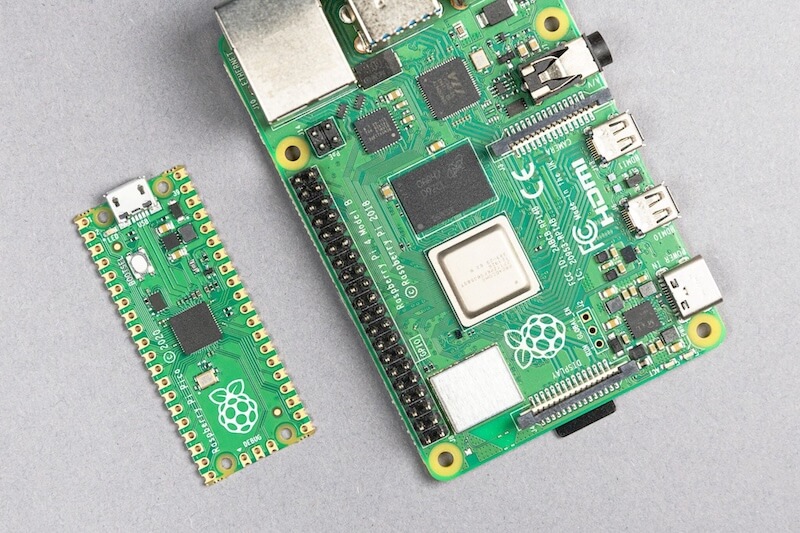
Raspberry Pi 4 and Pico

Raspberry Pi prices have been rising aggressively, driven by surging memory chip demand.

What makes it worse is how quickly the hikes have come — two rounds within just two months. The most recent price increase pushed some models to more than double their original MSRP.

Web browser discrimination

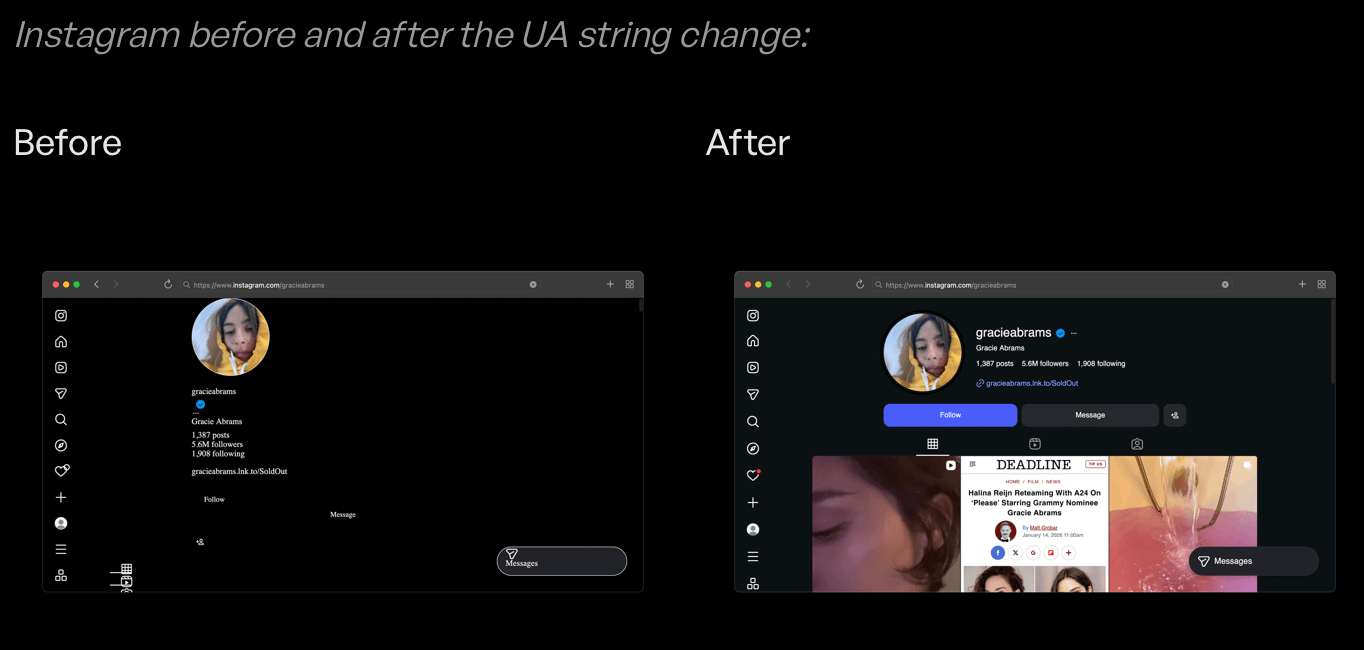
An unfortunate reality of the modern web is that many websites check your User-Agent string and serve different content (or no content at all) based on what browser they think you are. With our previous UA string, we were getting degraded UIs, "your browser is not supported" pages, network throttling, and outright HTTP 403 errors from many prominent websites.

From: Ladybird Browser Newsletter: This Month in Ladybird — January 2026

Instagram before and after the UA string change

A sad case of browser discrimination. I had assumed that with the death of Internet Explorer, such practices had largely faded away. User-Agent (UA) exists to enable graceful degradation, allowing older or less capable browsers to receive simplified content, not to serve as a whitelist that reserves the full web experience for a handful of approved browsers.

When you throttle or block based on UA, you are breaking the ethos of the open web, the very reason the World Wide Web was created in the first place. It is discrimination. From the article, this appears to be fairly common across the websites and services of Big Tech companies, such as Google and Meta. When those same companies also control the lion's share of the browser market, this begins to look uncomfortably close to anti-competitive behavior.

Bambu RFID scanner on Flipper Zero

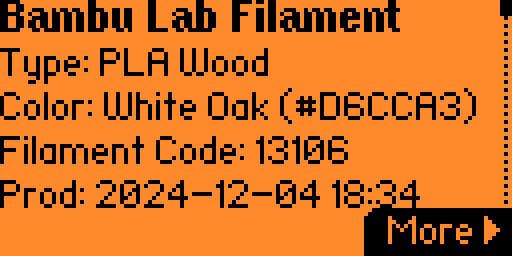
Bambu Lab Filament scan result

3D printing is fun. One common situation for anyone who owns a 3D printer is that you eventually end up with a growing stack of filaments at home.

These spools come in many combinations of colors and materials, and sooner or later you'll need to top up a spool that's running low. The problem is that Bambu filament labels only show the material and variant—such as PLA Basic, PLA Wood, PLA Matte, or ABS—but not the color code or color name. This makes it surprisingly tedious to figure out which exact filament to reorder. You either dig through old purchase receipts or manually try to match colors on the website.

If you have a Flipper Zero with the flipper-bambu plugin installed, you can now easily scan a Bambu filament spool via its RFID tag to retrieve the color code, along with other useful details such as temperature configurations, specifications, and production date—information that isn't normally visible.